Guelph’s commercial real estate market looks straightforward until you need a number you can defend to a lender, investor, auditor, or a court. That is where a formal appraisal earns its keep. Whether you are refinancing an industrial condo near the Hanlon, acquiring a mixed‑use building downtown, valuing excess land along Woodlawn, or reporting fair value for audit, the questions are the same: what does a credible appraisal cost, how long will it take, and what exactly should you expect to receive?
I have commissioned, reviewed, and written commercial appraisals across Ontario for banks, developers, and owner‑operators. What follows is a practical map of the process in Guelph, anchored to local market realities and Canadian standards, so you can budget properly and avoid surprises.
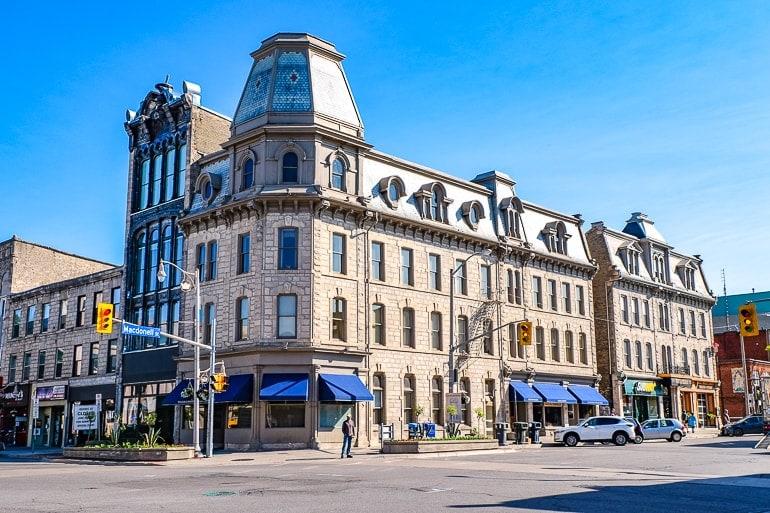
Who does commercial work in Guelph, and why credentials matter
Most banks and institutional investors in Ontario require reports prepared under the Canadian Uniform Standards of Professional Appraisal Practice, better known as CUSPAP. In practice, that means your report will be signed by an AACI, P.App designated appraiser for commercial property, sometimes supported by a Candidate member. The AACI designation signals that the appraiser can tackle income‑producing and complex assets. A CRA designation focuses on residential, which is not sufficient for most commercial assignments.
If you are vetting commercial building appraisers Guelph Ontario lenders actually accept, ask two questions early. First, are they on the specific lender’s approved panel for Wellington County. Second, have they completed recent assignments for the same property type. A retail plaza appraisal differs from a cold‑storage facility, not just in data sources but in technical assumptions around expense recoveries, tenant improvements, and obsolescence.
There are reputable commercial appraisal companies Guelph Ontario owners hire repeatedly for industrial, office, retail, and development land. The best fit depends on your property and purpose. Litigation support and expropriation work, for instance, requires deeper reporting, tighter file documentation, and comfort under cross‑examination. For development land, shortlisting commercial land appraisers Guelph Ontario planners respect is just as useful as lender acceptance, because zoning interpretation and highest and best use analysis drive value.
Cost ranges you can budget with
Fees vary with complexity, urgency, purpose, and the scope of work required by the intended user. No two properties are identical, yet some patterns hold in Guelph and most of Southern Ontario.
For stabilized, straightforward assets:
- A single‑tenant light industrial building in the 10,000 to 25,000 square foot range, on city services, with a clean rent roll and recent transactions, often lands in the 3,500 to 6,000 dollar range for a full narrative report suitable for major lenders.
For multi‑tenant or mixed‑use:
- Downtown mixed‑use with five to fifteen residential units over ground‑floor retail typically ranges from 5,000 to 9,000 dollars, reflecting the need to analyze residential and commercial cash flows separately, handle varying lease forms, and reconcile two or three approaches.
For retail plazas and small office:
- Neighborhood retail and smaller suburban offices typically fall between 5,000 and 8,000 dollars, depending on the number of tenants, lease complexity, and whether recent comparable sales and cap rate evidence are available in the immediate area or must be broadened.
For specialized or complex assets:
- Cold storage, specialized manufacturing, legal non‑conforming uses, older buildings with significant functional or environmental issues, and properties requiring more than one highest and best use scenario often run 8,000 to 15,000 dollars, sometimes higher if extensive modeling or expert subreports are needed.
For commercial land:
- Appraisals for development land depend heavily on planning status. Unserviced rural‑fringe parcels with simple designations may run 4,500 to 8,000 dollars. Urban infill or greenfield with active planning files, density assumptions, and pro forma residual analysis can exceed 10,000 dollars.
These ranges assume a standard, well supported narrative report under CUSPAP, including inspection, market analysis, and at least two valuation approaches. Rush fees typically add 20 to 50 percent, depending on scheduling pressure. Desktop updates or short‑form letters that reuse recent work are cheaper, but not every lender accepts them and they are not appropriate where conditions have materially changed.

A few line items can push fees up. Out‑of‑market comparables increase search time. Scattered site portfolios require more field work and separate analyses. Litigation and expropriation require expanded workfiles, longer reports, and more detailed exhibits. If the purpose triggers significant reliance by third parties, expect the appraiser to price in additional review cycles and certification demands.
Timelines that hold up in practice
For most commercial assignments in Guelph, plan on 2 to 3 weeks from engagement to final delivery, measured from the day the appraiser receives the signed letter of engagement, retainer, and core documents. Straightforward files sometimes finish in 7 to 10 business days. Complex, multi‑tenant, or development land files can take 4 to 6 weeks, particularly if the appraiser must wait on third‑party data like environmental reports, surveys, or planning confirmations.
Here is a typical flow when things go smoothly:
- Day 0 to 2: Engagement, retainer received, initial document transfer, lender scope checklist confirmed. Day 2 to 7: Site inspection, rent roll and lease abstracting, initial market and zoning research, data collection for sales and rental comparables. Day 7 to 12: Financial analysis, modeling of stabilized net operating income, cap rate testing, land value or cost checks as applicable. Day 12 to 15: Drafting of narrative sections, highest and best use write‑up, reconciliation of approaches, internal quality review. Day 15 to 20: Draft report issued if allowed, client and lender comments, revisions, final signing by designated appraiser.
Two factors most often extend timelines. First, missing documents, especially lease amendments, estoppels, or updated surveys. Second, planning clarifications when zoning or official plan designations are in transition. If the appraiser must verify interpretations with the City of Guelph planning department or confirm servicing capacity, add a week or two.
What the deliverable includes, and what quality looks like
A high quality commercial property assessment Guelph Ontario lenders will rely on is more than a number on a signature page. Expect a coherent narrative that follows a clear scope, applies relevant approaches, and backs each conclusion with evidence. A standard package typically includes:
- Letter of transmittal, identifying the subject, effective date, interest appraised, extraordinary assumptions, and intended users. Certification and limiting conditions under CUSPAP, signed by the AACI, P.App. Detailed scope of work and definition of value, usually market value as defined by CUSPAP, occasionally investment value, liquidation value, or fair value for financial reporting. Property identification, legal description, PINs, and a concise site and improvement summary, including construction, gross and rentable areas, age, condition, and functional layout. Zoning and land use analysis, with citations to the City of Guelph zoning by‑law and official plan, recognizing permitted uses, density, parking, and any legal non‑conformity. Market analysis with recent sales and leasing trends for the relevant asset class and submarket within Guelph and, if evidence is thin, adjacent markets like Kitchener‑Waterloo or Cambridge. Highest and best use analysis, as if vacant and as improved, with clear linkage between legal permissibility, physical possibility, financial feasibility, and maximum productivity. Valuation approaches appropriate to the asset and assignment. For income properties, a direct capitalization or discounted cash flow, with support for stabilized income, vacancy, non‑recoverable expenses, structural reserves, and cap rates. For special‑purpose or very new buildings, a cost approach with land value supported by comparables and replacement cost new, plus depreciation. A direct comparison approach for owner‑occupied or smaller industrial when enough arm’s length sales exist. Reconciliation, stating weights assigned to each approach and the rationale. Exposure and marketing time estimates, supported by market evidence. Photographs, location and site plans, zoning maps, and, where relevant, survey excerpts and floor plans in an appendix.
If you are comparing commercial appraisal companies Guelph Ontario offers, request a redacted sample. You will see immediately whether the narrative reads like a template or a tailored analysis. Look for specific local evidence. A cap rate supported only by provincial averages signals weak market work. So does a rent conclusion without comment on TMI recoveries, step‑ups, free rent, or inducements. Good reports show their math and cite sources.
How appraisers value different commercial assets in Guelph
Industrial has been a local workhorse. Vacancy in Guelph has oscillated at low single digits in recent years, with light manufacturing and logistics demand pressing lease rates upward. For single‑tenant industrial, a direct capitalization approach relying on market rent, stabilized vacancy, and observed cap rates usually leads. If the property is owner‑occupied, the appraiser imputes market rent, which surprises some owners who expect value based on their business’s performance. Banks do not lend on business value in this context, they lend on the real estate’s market value.
Retail in established nodes like Stone Road and neighborhood strips across the south end trade on tenant mix and the resilience of local spending. Appraisers will drill into lease structures. Are tenants on net leases with full TMI recoveries, or gross leases with caps on increases. A small change in non‑recoverable expenses or structural reserves can shift value materially in shallow cap rate environments. Vacancy assumptions for older strips with small bays differ from grocery‑anchored centers. Local leasing brokers are often the best reality check for market rent, particularly on small bay turnover.
Downtown mixed‑use adds two wrinkles. Residential units over retail may be at or near market rent, yet retail rents can be volatile depending on foot traffic, parking, and the tenant roster. The appraiser should separate the two income streams, apply appropriate vacancy and bad debt for each, and test different cap rates where the risk profile diverges. The direct comparison approach can carry more weight if there are recent sales of similar mixed‑use buildings on streets like Wyndham or Quebec, with adjustments for upper‑floor unit counts, condition, and commercial frontage.
Office buildings outside key nodes face higher vacancy risk. In recent cycles, appraisers have trended stabilization periods longer and added leasing and inducement costs explicitly into a cash flow. A single year direct cap can be too blunt for assets in transition, so a short discounted cash flow that rolls to stabilized NOI after a lease‑up period may be more credible.
For development land, commercial land appraisers Guelph Ontario firms use a hierarchy of methods. If enough recent, comparable land sales exist with similar density and servicing status, a direct comparison may suffice. In more complex cases, a residual land value, moving from end product value through development costs, soft costs, financing, and profit, back to land value, is common. The quality of the planning analysis is decisive. Density, setbacks, parking, urban design guidelines, servicing capacity, and timing through site plan control can swing the residual by double digits. If the appraiser is not comfortable with pro formas, ask who is advising on the development assumptions.
What information your appraiser needs to work efficiently
The fastest, cleanest appraisals start with complete files. Many delays come from chasing documents, not from analysis. If you prepare a compact data room up front, you usually save a week and trim the fee because the appraiser spends fewer hours on follow‑ups.
- Current rent roll, all leases and amendments, and a summary of additional rent recoveries and any caps or exclusions. Last two years of operating statements broken out by line item, including utilities, repairs and maintenance, insurance, property management, and property taxes. Recent property tax bill and any assessment notices, plus confirmation of appeals or phase‑ins. Site plan, survey, floor plans or BOMA measurements if available, and building permits for major renovations or additions. Any third‑party reports on file, such as Phase I environmental, building condition assessments, roof or HVAC reports.
Two clarifications help at the start. First, if there are related‑party leases at non‑market terms, say so. The appraiser will normalize the rent for valuation purposes but still disclose the actual lease. Second, if the property is currently for sale or under offer, provide the listing or offer details, because CUSPAP requires the appraiser to analyze current and recent listings or offers.
Lender expectations, formats, and scope choices
Every lender has preferences. Some accept a well supported letter of opinion for smaller loans. Most require a full narrative report for loans secured by commercial real estate over modest thresholds. Ask your lender’s account manager for their scope checklist and panel list before you engage anyone. If your appraiser is not on a lender’s panel, you may pay twice.
Desktop and drive‑by reports have their place, particularly for periodic updates within six to twelve months of a full appraisal, or for light covenant monitoring. They are not substitutes for a full inspection and narrative when material changes have occurred, such as a major lease turnover or capital project. Re‑certifications can be cost effective if the market and the subject have been stable, but appraisers will decline if their analysis would change.
Accounting standards may call for fair value rather than market value, which can alter assumptions, particularly where highest and best use differs from current use. Litigation assignments demand a different tone and evidentiary depth. If your file might ever see a courtroom, ask for a report structured with an eye to expert evidence requirements from the start.
What good market evidence looks like in Guelph
Appraisers lean on multiple data sources. For sales, Teranet data confirms registered prices and dates. Broker statements and MLS sheets help with property details, conditions of sale, and adjustments. For leasing, CoStar and broker intel provide asking and achieved rents, TMI, inducements, and vacancy context. MPAC assessment data helps with building areas and property tax context, but it is not a valuation. For construction and replacement costs, cost manuals and contractor quotes anchor the cost approach.
In Guelph, sample sizes can be thin in a given quarter, especially for larger or unique assets. That is not a license to import cap rates from Toronto without adjustment. The appraiser should widen the geography carefully, pulling in evidence from Kitchener‑Waterloo, Cambridge, or Milton where tenant bases and investor pools overlap, and then explain adjustments for location, size, tenant covenant, and age. Thin evidence increases uncertainty, which should appear in a broader reconciliation discussion and sometimes in a value range rather than a point estimate if the assignment allows.
Highest and best use, zoning, and permits drive value
The City of Guelph’s official plan and zoning by‑law govern what you can do with a site today and what might be feasible tomorrow. For existing buildings, a legal non‑conforming use can carry value, but it carries risk if a future redevelopment or reconstruction would trigger current standards that reduce density or change parking requirements. Good appraisers do not stop at the zoning label. They check uses, density, height, setbacks, parking, and any site‑specific exemptions. They ask whether servicing capacity is available, whether there are conservation or source water protection overlays, and whether site plan control applies.
Development charges, parkland, community benefits, and permit timing belong in a residual analysis. Infill mixed‑use within intensification corridors may show higher residual values on paper, yet the time and risk in planning approvals can erode feasibility. An honest highest and best use section faces those trade‑offs.
Environmental and building condition issues
Most lenders will not advance against a commercial property without at least a Phase I environmental site assessment for sites with industrial history, dry cleaning, or https://realex.ca/ auto uses. A recognized environmental consulting firm’s report, not older than a defined window, is typical. If a Phase II is required, it will lengthen the appraisal timeline because the appraiser will not finalize value until the risk is understood. A building condition assessment helps on large or older assets where capital expenditure forecasts affect reserves and net operating income. If you have recent, credible reports, provide them. If you do not, the appraiser may include higher allowances or add an extraordinary assumption with cautionary language that constrains the report’s use.
Taxes, assessments, and MPAC
Property tax is often the third largest expense in a commercial statement after utilities and maintenance. MPAC’s current value assessment and the City’s mill rates combine to set the bill, subject to phase‑ins and appeals. Appraisers will confirm the current assessment, tax class, and recent bills, and they will test whether an appeal is warranted based on assessed values for comparable properties. For valuation, the appraiser uses actual taxes in the near term but will not assume speculative reductions unless there is credible evidence an appeal is likely to succeed. If your strategy includes a tax appeal, state it, but do not expect the appraiser to underwrite unproven savings.
Common pitfalls that add cost or risk
Rushed scopes and incomplete documentation are obvious traps, but a few subtler issues recur. Market rent can differ materially from contract rent in owner‑occupied scenarios or related‑party leases. If you need a value based on actual income rather than market, ask whether the lender permits it. Some assignments allow both, with a primary market value and a secondary value based on contract terms. For new construction or recently renovated buildings, ensure the appraiser understands which parts of the work were capitalized and which are maintenance, and whether warranties transfer. On land, be careful with unverified density assumptions. An extra storey on paper that cannot be built under current policies inflates residual value dangerously.
How to choose the right firm for your file
Not every firm is ideal for every property. Match expertise to the assignment. For a stabilized industrial building, prioritize firms with deep industrial comparables in Guelph and the Tri‑Cities, and relationships with industrial brokers. For a nuanced mixed‑use downtown, choose someone who has published or presented on small‑bay retail and apartment over retail issues. For development land, pick a team that can handle pro formas and has credibility with municipal planners. When you search for commercial building appraisers Guelph Ontario owners recommend, backstop the choice against your lender’s panel, then call two references and ask what went wrong, not just what went right. You learn more from small failures than from glowing generalities.
What you can expect to see in the number itself
Appraisal is not accounting. The final estimate is an opinion, supported by evidence and judgment. In stable submarkets, the reconciliation may present a point value confidently. In fast‑moving or thin markets, the appraiser may present a tighter narrative around a mid‑point with careful explanation of sensitivity to rent, cap rate, or vacancy. For development land, a value range is common if the assignment permits it, because small changes in exit pricing or costs ripple back materially to land value. If your business plan hangs on an aggressive assumption, ask the appraiser to run a sensitivity table and include it in the appendices. It is cheaper than discovering the gap at credit committee.
Updating, re‑certifying, and keeping reports useful
Most lenders accept updates within six to twelve months of the effective date if the property and market are stable, but they still need the appraiser to re‑inspect or at least confirm no material change has occurred. If you expect to refinance within the year, negotiate an update fee when you order the original report. Keep your operating data current and your capital projects documented with invoices and scopes. That way, the update becomes a short cycle rather than a near‑redo.
A brief note on context in Guelph
Guelph benefits from a diverse economic base, strong post‑secondary presence, and proximity to the 401 corridor without paying Toronto’s pricing. That combination has supported industrial absorption and kept retail in neighborhood nodes resilient. Office has been patchier, with flight to quality and smaller footprints. For valuation, that means industrial and well‑located mixed‑use often price tighter, while older office buildings lag unless repositioned. Local supply constraints, especially for quality industrial, have compressed cap rates at times, but institutional buyers still compare Guelph to nearby markets, so premiums have limits. A credible appraisal recognizes those cross‑currents without stretching beyond evidence.
Preparing for a smooth engagement
You can shorten the calendar and reduce rework with a disciplined start. Confirm the intended use and users, pick an appraiser acceptable to those users, and supply a clean data package. Ask early if any third‑party reports are likely to be required and start those in parallel. Clarify whether you need as‑is value, as‑stabilized value, prospective values at completion, or a mix. If the property is in transition, agree on assumptions and disclosures up front so surprises do not appear in the final pages.
When your file is organized, good commercial appraisal companies Guelph Ontario lenders rely on can deliver consistent quality on a predictable schedule. That predictability saves money. It also frees you to focus on the part of the transaction that actually creates value, whether that is leasing a stubborn vacancy, tightening expenses, or moving a planning file over the next hurdle.
Ultimately, a strong appraisal is not a doorstop. It is a model of how the market thinks about your property, written with enough transparency that a skeptical reader can follow and agree, even if they would have chosen a slightly different cap rate or rent. If the report you receive reads that way, you hired well. If it does not, you paid for a number, not for insight, and that is rarely the better bargain.